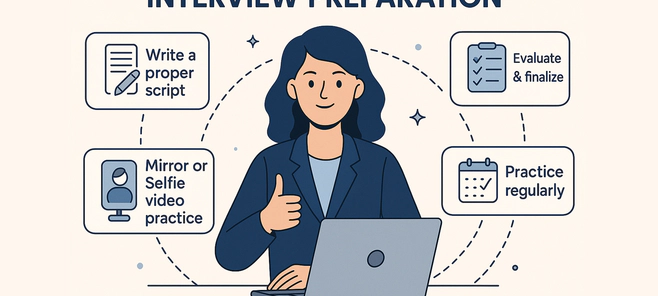
जॉब इंटरव्यू की तैयारी क्यों फर्क डालती है
जॉब इंटरव्यू की तैयारी केवल सवाल याद करने का काम नहीं है। भारत में hiring process अब काफी structured हो चुका है। HR shortlist करता है, hiring manager role-fit देखता है, technical panel skill check करता है, और final round में attitude, stability, salary fit और joining risk तक assess किया जाता है। अगर आपकी तैयारी बिखरी हुई है, तो अच्छा resume होने के बाद भी offer हाथ से निकल सकता है।
एक recruiter के नज़रिए से बात साफ है। इंटरव्यू में हम केवल यह नहीं देखते कि उम्मीदवार क्या बोल रहा है। हम यह भी देखते हैं कि वह अपने अनुभव को कितनी clarity से समझाता है, job description से कितना match करता है, pressure में कितना composed रहता है, और क्या उसे सच में role समझ है। यही वजह है कि interview preparation, freshers और experienced दोनों के लिए, selection का बड़ा factor बनती है।
अधिकांश स्थानीय results केवल basic tips देते हैं। असली तैयारी में role analysis, company research, answer structure, mock practice, online interview setup, salary expectation, body language, और interview के बाद follow-up तक सब शामिल होना चाहिए। यही इस guide का फोकस है।
इंटरव्यू में recruiters वास्तव में क्या evaluate करते हैं
उम्मीदवार अक्सर सोचते हैं कि interview केवल knowledge test है। ऐसा नहीं है। ज़्यादातर private sector interviews में 5 चीजें देखी जाती हैं।
- क्या उम्मीदवार role का काम वास्तव में कर पाएगा
- क्या उसके पास relevant examples और results हैं
- क्या उसकी communication साफ, short और professional है
- क्या उसका attitude stable, coachable और team-friendly है
- क्या salary, notice period और joining reality practical है
बहुत से candidates knowledge रखते हैं, पर answer structure खराब होता है। कुछ candidates fluent होते हैं, पर content कमजोर होता है। सबसे मजबूत candidate वह होता है जो specific examples देता है, numbers बता सकता है, और role की भाषा में बात करता है। अगर आपने अभी तक अपना resume role के हिसाब से edit नहीं किया है, पहले हर नौकरी के लिए रिज़्यूमे संपादित करें और पाएं नौकरी पढ़ लें।
| Evaluation area | Recruiter क्या देखता है | आपकी तैयारी क्या होनी चाहिए |
|---|
| Role fit | JD के skills और tasks से match | हर requirement के लिए 1 example तैयार करें |
| Communication | जवाब स्पष्ट, सीधे और relevant हैं या नहीं | 60-90 सेकंड के structured answers |
| Problem solving | मुश्किल situation में approach | STAR method या problem-action-result |
| Behaviour | teamwork, ownership, honesty | conflict, mistake, deadline के examples |
| Practical fit | salary, location, shift, joining | honest और prepared response |
job description को कैसे पढ़ें, सिर्फ skim नहीं
इंटरव्यू की तैयारी job description से शुरू होती है। JD में company अपनी परेशानी लिखती है, बस corporate language में। आपका काम है समझना कि उन्हें किस तरह का इंसान चाहिए।
JD पढ़ते समय 4 चीजें mark करें।
- कौन से skills बार-बार लिखे गए हैं
- कौन सी responsibilities business impact से जुड़ी हैं
- कौन से tools, software या process mentioned हैं
- mandatory और preferred requirements में क्या फर्क है
फिर अपनी profile से match बनाइए। अगर role sales executive का है, तो “hardworking” मत बोलिए। बोलिए, “मैंने पिछले quarter में 32 qualified leads close किए” या “monthly target लगातार 4 महीने achieve किया।” अगर fresher हैं, तो internship, project, college fest, volunteer work, part-time job सब usable examples हैं। .बिना अनुभव की नौकरी: फ्रेशर्स के लिए अवसर इस point को अच्छे से समझाती है।
इंटरव्यू के प्रकार और हर format की अलग strategy
हर interview एक जैसा नहीं होता। इसी गलती में बहुत उम्मीदवार generic तैयारी करके जाते हैं। format के हिसाब से strategy बदलनी पड़ती है।
| Interview type | आमतौर पर कौन लेता है | मुख्य focus | आपकी strategy |
|---|
| HR round | recruiter, HR executive | communication, stability, basics | concise answers, salary, notice period ready रखें |
| Technical round | senior executive, team lead, SME | job knowledge, practical skill | role-based questions और live problem solving practice करें |
| Managerial round | reporting manager | ownership, decision-making, team fit | projects, challenges, outcomes समझाएँ |
| Final round | HOD, founder, senior manager | business fit, maturity, long-term intent | motivation, commitment, compensation logic |
| Group discussion or walk-in | panel | speaking, listening, confidence | balanced participation, clear points |
| Virtual interview | किसी भी round में | content plus tech setup | camera, audio, internet, environment check |
HR round की तैयारी
HR round में technical depth कम हो सकती है, लेकिन reject यहीं बहुत लोग होते हैं। वजह simple है। HR देखता है कि candidate reliable है या नहीं। अगर आप resume में कुछ लिखते हैं और explain नहीं कर पाते, अगर salary expectation absurd है, अगर reason for leaving negative है, तो red flag बनता है।
HR round के लिए यह तैयार रखें।
- अपने बारे में 60-90 सेकंड का answer
- current या last CTC, expected CTC, in-hand और fixed-variables की basic समझ
- notice period और joining date
- relocation, shifts, travel, work mode पर clear answer
- reason for job change, बिना complaint mode में
technical round की तैयारी
Technical round में theory से ज़्यादा application देखा जाता है। IT में coding, debugging, SQL, system basics आ सकते हैं। BPO में customer handling, escalation, process adherence, accent clarity आ सकती है। Banking operations role में KYC, compliance basics, documentation flow पूछा जा सकता है। Admin role में coordination, vendor handling, MS Excel, reporting scenarios पूछे जा सकते हैं।
यहाँ एक rule याद रखें। answer नहीं, approach explain करें। अगर आप अटक भी जाएँ, interviewer देखता है कि candidate problem सोच कैसे रहा है।
final round की तैयारी
Final round में senior लोग अक्सर कम सवाल पूछते हैं, पर उनका वजन ज़्यादा होता है। वे देखना चाहते हैं कि क्या आप टीम के लिए सही investment हैं। यहाँ maturity, ownership, stability और practical motivation matter करता है।
फ्रेशर्स बनाम experienced candidates, तैयारी कैसे अलग होगी
फ्रेशर और experienced दोनों को एक ही template नहीं अपनाना चाहिए। यही सबसे common गलती है।
| Candidate type | क्या highlight करना है | क्या avoid करना है | best proof |
|---|
| Fresher | projects, internship, certifications, communication, learning attitude | fake experience, overly polished jargon | college project, internship outcome, responsibility examples |
| 1-3 years experienced | measurable work, tools, targets, ownership | vague statements, job hopping excuses | dashboards, reports, resolved issues, achieved targets |
| 4+ years experienced | team contribution, process improvement, mentoring, business impact | only task list, no outcomes | revenue impact, cost saving, team handling, stakeholder management |
अगर आप fresher हैं, तो “मुझे experience नहीं है” से answer शुरू मत करें। बोलें, “मेरे पास full-time experience नहीं है, लेकिन internship और academic projects में मैंने यह काम किया है…” यही framing आपको कमजोर नहीं, trainable दिखाती है। एंट्री-लेवल जॉब्स: छोटे शुरूआतों को बड़े सफलता में बदलना इस mindset के लिए useful है।
experienced candidates के लिए rule अलग है। responsibility list मत सुनाइए। impact बताइए। “मैं client calls संभालता था” weak है। “मैंने 18 enterprise clients handle किए, escalation TAT कम किया, और renewal support दिया” strong है।
7 दिन, 3 दिन और 1 दिन का जॉब इंटरव्यू preparation plan
यह section practical है। इसे save कर लें।
7 दिन का plan
- Day 1, JD पढ़ें, company research करें, role-match notes बनाएं
- Day 2, अपने resume के हर point के लिए explanation लिखें
- Day 3, top 15 common questions के answers draft करें
- Day 4, role-specific technical questions practice करें
- Day 5, mock interview करें, video record करें
- Day 6, weak answers सुधारें, salary और final questions prepare करें
- Day 7, documents, dress, travel या video setup finalize करें
3 दिन का plan
- Day 1, JD plus company plus self-introduction
- Day 2, common questions plus technical revision
- Day 3, mock interview plus logistics plus rest
1 दिन का plan
- company website, products, recent news, job role summary पढ़ें
- tell me about yourself, strengths, weakness, reason for change revise करें
- 5 role-specific examples याद करें
- salary, joining, shift availability clear करें
- documents, clothes, location या meeting link check करें
- रात में बहुत late तक तैयारी न करें
अगर आपकी overall job search तैयारी कमजोर है, अपनी तैयारी करें और अपनी सपनों की नौकरी पाएं भी पढ़ें।
सबसे आम interview questions और Hindi sample answers
Tell me about yourself का सही structure
इस सवाल का best structure है, present, past, future। personal history मत सुनाइए। professional story दीजिए।
Fresher sample answer
मैंने हाल ही में B.Com पूरा किया है और college के दौरान accounts और operations से जुड़े projects पर काम किया। अपनी internship में मैंने invoice checking, data entry और Excel reporting में support किया, जिससे मुझे process accuracy और deadline discipline समझ आया। अभी मैं ऐसी भूमिका ढूंढ रहा हूँ जहाँ मैं operations या admin profile में जल्दी सीखकर measurable contribution दे सकूँ।
Experienced sample answer
मैं पिछले 3 साल से inside sales में काम कर रहा हूँ। अपने current role में मैं inbound leads qualify करता हूँ, demos schedule करता हूँ और monthly conversion target पर काम करता हूँ। पिछले 12 महीनों में मैंने लगातार target achieve किया और CRM hygiene भी improve की। अब मैं ऐसी कंपनी join करना चाहता हूँ जहाँ sales process अधिक structured हो और growth path clear हो।
Why do you want to work here
मैंने आपकी company के products और role दोनों को देखा। मुझे यह position इसलिए relevant लगी क्योंकि इसमें client handling और process ownership दोनों हैं, जो मेरे पिछले experience से match करते हैं। साथ ही, आपकी team जिस scale पर काम कर रही है, उसमें सीखने और contribute करने का मौका दिखाई देता है।
आपकी strengths क्या हैं
मेरी सबसे बड़ी strengths हैं structured communication, follow-through और accountability। उदाहरण के लिए, अपने पिछले role में मैं client requests को केवल receive नहीं करता था, बल्कि closure तक track करता था, जिससे repeat follow-up कम हुए। अगर आपको अपने strengths को credible तरीके से दिखाना है, कैसे कौशल और गुण दिखाएं जो आपको अच्छा उम्मीदवार बनाएं मदद करेगी।
आपकी weakness क्या है
पहले मैं tasks खुद ज़्यादा पकड़कर रखता था और जल्दी delegate नहीं करता था। इससे workload unnecessary बढ़ता था। पिछले कुछ महीनों में मैंने task prioritisation और update sharing पर काम किया है, जिससे coordination बेहतर हुआ। कमजोरी ऐसी चुनें जो genuine हो, लेकिन role के लिए fatal न हो।
आप current job क्यों छोड़ना चाहते हैं
मैं अपनी current company के experience को value करता हूँ, लेकिन अब मैं ऐसी भूमिका चाहता हूँ जहाँ responsibility का scope wider हो और learning path clear हो। मेरा focus बेहतर role fit और long-term growth पर है।
salary expectation का answer
मेरा current compensation X है। role की responsibilities और market alignment को देखते हुए मेरी expectation Y से Z range में है, लेकिन overall role, growth और total compensation structure के आधार पर discussion के लिए open हूँ। salary पर smart negotiation के लिए नौकरी के प्रस्ताव में वेतन और लाभ पर बातचीत के स्मार्ट तरीके देखें।
STAR method, Hindi में आसान formula
Behavioral questions के लिए STAR बहुत काम करता है।
- Situation, स्थिति क्या थी
- Task, आपकी जिम्मेदारी क्या थी
- Action, आपने क्या किया
- Result, नतीजा क्या निकला
उदाहरण, “टीम में conflict कैसे handle किया?” का answer।
हमारी team में client escalation के दौरान ownership clear नहीं थी और delays हो रहे थे। मेरी responsibility issue tracking और coordination support की थी। मैंने shared tracker बनाया, action owners tag किए और daily update format शुरू किया। इससे response time बेहतर हुआ और escalation repeat होना कम हुआ।
industry-specific interview preparation, generic advice से आगे
| Industry/Role | Interview में क्या पूछा जा सकता है | क्या तैयार करें |
|---|
| BPO/Customer Support | angry customer, night shift, escalation handling | voice clarity, empathy examples, process discipline |
| Sales | target, objection handling, lead conversion | numbers, client stories, follow-up process |
| IT/Software | coding, DB, API, bug fixing, project explanation | hands-on revision, project architecture, logic explanation |
| Banking/Operations | KYC, documentation, accuracy, compliance | process steps, error prevention, customer handling |
| Admin/Back Office | Excel, coordination, scheduling, vendor handling | reporting examples, organisation skills, documentation accuracy |
BPO example
अगर पूछा जाए, “angry customer कैसे handle करेंगे?”, तो बोलें, “पहले मैं interruption के बिना issue समझूँगा, फिर concern acknowledge करूँगा, policy के भीतर immediate resolution या escalation path बताऊँगा, और closure confirm करूँगा।” सिर्फ “मैं politely बात करूँगा” काफी नहीं है।
Sales example
अगर पूछा जाए, “target miss होने पर क्या करेंगे?”, तो answer में funnel analysis, follow-up discipline, objection mapping और conversion stage breakdown होना चाहिए। sales interview में numbers नहीं हैं, तो answer आधा है।
IT example
अपने project को ऐसे explain करें, problem क्या थी, tech stack क्या था, आपकी responsibility क्या थी, biggest challenge क्या था, outcome क्या था। team project को “मैंने बनाया” मत कहिए अगर आप alone owner नहीं थे।
virtual interview checklist, phone, Zoom, Google Meet के लिए
ऑनलाइन interview में content के साथ presentation भी score होता है। खराब audio अच्छे answer को भी कमजोर बना देता है।
- internet stable रखें, hotspot backup भी रखें
- phone नहीं, संभव हो तो laptop use करें
- camera eye level पर रखें
- light सामने से आए, पीछे से नहीं
- background साफ और distraction-free हो
- meeting app पहले update और test कर लें
- username professional रखें
- earphones mic test करें
- interview के दौरान notifications बंद रखें
| Platform | common problem | quick fix |
|---|
| Phone interview | low voice clarity | quiet room, headset, slow pace |
| Zoom | audio permission issue | settings pre-check, test meeting |
| Google Meet | browser permissions, echo | Chrome check, headphones use करें |
| Microsoft Teams | login confusion | 15 मिनट पहले join link test करें |
body language, voice tone और बोलने की structure
कई उम्मीदवार content सही रखते हैं, पर delivery खराब होती है। fast बोलना confidence नहीं है। बिना रुके बोलना भी strong communication नहीं है। interview में controlled pace सबसे बेहतर impression देता है।
- जवाब शुरू करने से पहले 1-2 सेकंड रुकें
- बहुत लंबा intro न दें
- आँखों का contact stable रखें
- कुर्सी पर सीधे बैठें
- हाथों की movement natural रखें, overacting नहीं
- filler words, जैसे मतलब, actually, basically, कम करें
बोलने का simple structure अपनाइए। point, example, outcome। यही formula HR और business interviews दोनों में काम करता है। communication improve करने के लिए सॉफ्ट स्किल्स क्या हैं: 60 उदाहरण, Hindi meaning और इन्हें साबित करने के तरीके और ऑफिस एटीकेट: office, remote और hybrid work के practical नियम दोनों useful हैं।
interviewer से कौन से सवाल पूछने चाहिए
अंत में “कोई सवाल है?” पर “नहीं” बोलना अक्सर missed opportunity होता है। smart questions आपकी seriousness दिखाते हैं।
- इस role में पहले 3 महीनों की priority क्या होगी
- success को कैसे measure किया जाता है
- team structure और reporting manager कौन होंगे
- इस position के लिए biggest challenge अभी क्या है
- next steps और expected timeline क्या है
interview में कौन सी गलतियाँ तुरंत red flag बनती हैं
| Mistake | Recruiter क्या समझता है |
|---|
| company के बारे में basic research नहीं | interest कम है |
| resume में लिखा explain नहीं कर पाना | profile inflated हो सकती है |
| previous employer की बुराई | attitude risk |
| salary पर unrealistic demand | market mismatch |
| late पहुँचना या link test न करना | poor planning |
| बहुत rehearsed या robotic answers | authenticity कम |
| हर जवाब में “team” बोलकर अपना role clear न करना | ownership unclear |
इनके अलावा कुछ और mistakes भी common हैं।
- fake experience या fake certification
- unnecessary English दिखाना, clarity छोड़कर
- personal oversharing
- interviewer को बीच में काटना
- mobile check करना
resume की credibility सुधारनी है तो सामान्य रिज़्यूमे गलतियाँ और उन्हें सुधारने के तरीके और रिज्यूमे कैसे बनाएं, फोन से भी, 2026 की पूरी हिंदी गाइड पढ़ना चाहिए।
interview के बाद follow-up email या message कैसे भेजें
Interview खत्म होने के बाद 24 घंटे के भीतर short follow-up भेजना professional impression बनाता है। लंबा essay नहीं चाहिए। short, specific और polite message काफी है।
email template
नमस्ते [नाम], आज [role name] के संबंध में समय देने के लिए धन्यवाद। हमारी बातचीत से role और team की expectations को बेहतर समझने का मौका मिला। विशेष रूप से [specific point] के बारे में चर्चा मेरे लिए उपयोगी रही। यह अवसर मेरे अनुभव और career goals के साथ अच्छी तरह fit बैठता है। अगले steps की जानकारी का इंतज़ार रहेगा। धन्यवाद।
WhatsApp or short message template
नमस्ते [नाम], आज interview के लिए आपका धन्यवाद। role और team के बारे में बात करके अच्छा लगा। मैं इस अवसर में interested हूँ और next steps की प्रतीक्षा करूँगा। धन्यवाद।
अगर promised timeline निकल जाए, तो 3 से 5 working days बाद polite follow-up ठीक है। रोज़ message करना गलत impression देता है।
interview day quick checklist, इसे print या screenshot कर लें
- JD, company name, interviewer name revise किया
- 10 common questions के answers mentally ready हैं
- 3 achievements और 2 challenges के examples तैयार हैं
- salary, notice period, joining date clear है
- resume copy, ID proof, notebook ready है
- formal and clean dress ready है
- location, travel time या meeting link checked है
- phone silent या DND पर है
- पानी पिया, breathing normal की, last-minute panic नहीं किया
final advice, scripted नहीं, prepared बनिए
जॉब इंटरव्यू की तैयारी का मतलब perfect lines याद करना नहीं है। interviewer बहुत जल्दी पहचान लेता है कि answer याद किया गया है या समझकर दिया गया है। आपकी तैयारी का असली लक्ष्य यह होना चाहिए कि आप अपने experience, skills और goals को साफ, भरोसेमंद और role-relevant तरीके से बता सकें।
अगर आपके पास limited समय है, तो भी तीन चीजें कभी मत छोड़िए। JD analysis, self-introduction, और mock practice। यही तीन areas selection rate सबसे ज़्यादा improve करते हैं। और अगर interview अगले 24 घंटे में है, तो हर उम्मीदवार को जानने चाहिए अंतिम मिनट के साक्षात्कार टिप्स - अपनी संभावना बढ़ाएं अभी पढ़ लें।
अच्छे उम्मीदवार पैदा नहीं होते, तैयार होते हैं। और preparation, खासकर India के competitive job market में, optional नहीं है।