A strong reference can tip a hiring decision in your favor. Many candidates treat references as an afterthought, but hiring managers often view them as the final confirmation that a candidate performs well in real workplaces.
If you’re wondering how to ask someone to be a reference, the process is simple but strategic. The right timing, the right person, and the right preparation can turn an average reference into a powerful endorsement.
This guide walks through the full process. You’ll learn how many references employers expect, what hiring managers actually ask during reference checks, what materials to send your reference, and how to ask professionally through email, LinkedIn, or messaging apps.
Why References Still Matter in Hiring
Many companies verify references near the end of the hiring process. By that stage, you may already be the top candidate. The reference check confirms the hiring decision rather than starting from scratch.
A 2023 survey by the Society for Human Resource Management found that 87% of employers conduct reference checks for professional roles. Even in industries that rely heavily on portfolios or technical assessments, hiring managers still want feedback from someone who supervised your work.
Strong references do three things:
- Validate your skills and job performance
- Confirm your reliability and professionalism
- Provide real examples of how you work with teams and managers
Think of references as credibility checks. A resume shows what you claim. A reference proves it.
How Many References Employers Typically Expect
Most employers request two to four references. Three is the most common number.
Here is a rough guideline used by many hiring teams:
- Entry level roles: 2 references
- Mid level roles: 3 references
- Senior or leadership roles: 3 to 5 references
Quality matters more than quantity. A short list of strong advocates beats a long list of people who barely remember your work.
Good reference options include:
- Former managers or supervisors
- Senior coworkers who worked closely with you
- Project leads or team leaders
- Professors or academic advisors for students
- Internship supervisors
Avoid listing friends, family members, or anyone who cannot speak directly about your professional performance.
When to Ask Someone to Be a Reference
Timing matters. Asking too early can confuse people. Asking too late can create pressure.
Most candidates request references after the first interview or once they reach the final stages of hiring. At that point you know the role is serious and your reference will not be contacted unnecessarily.
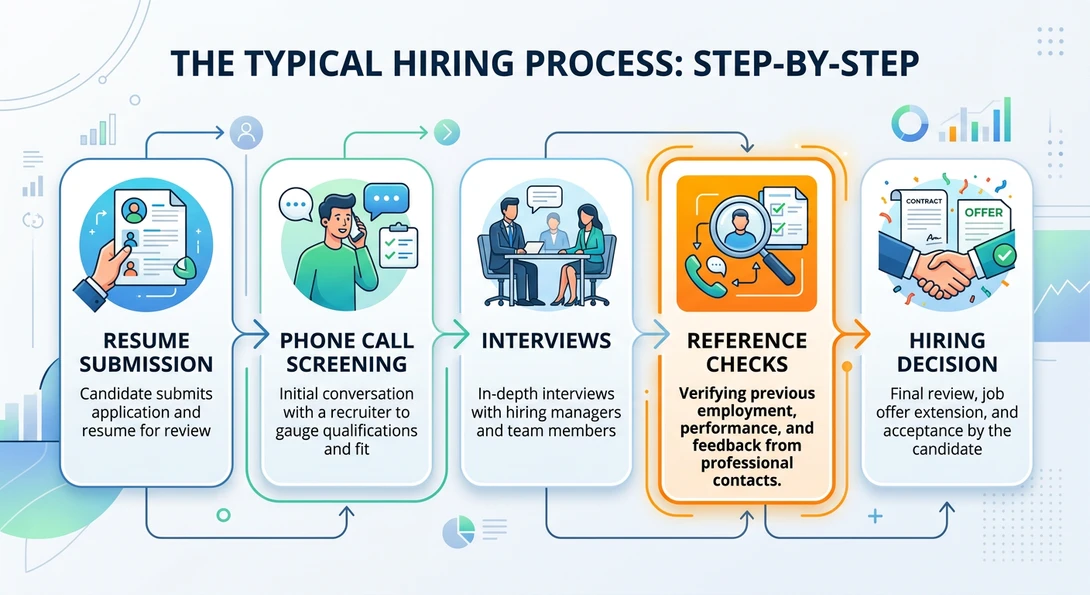
If you are actively applying to many roles, prepare a short list of references in advance but only notify them when a company is likely to contact them.
How to Ask Someone to Be a Reference (Step by Step)
The most effective reference requests follow a simple structure. Respect the person’s time and make it easy for them to help you.
Step 1: Choose the Right Person
Pick someone who supervised your work or collaborated closely with you. A hiring manager wants specific examples, not generic praise.
Ask yourself three questions:
- Did this person see my work directly?
- Would they genuinely recommend me?
- Can they describe measurable achievements?
If the answer to any of those is unclear, consider another reference.
Step 2: Ask Permission Clearly
Never list someone as a reference without asking first. That situation catches people off guard and can lead to weak recommendations.
A direct request works best. Here’s a simple email script many recruiters recommend:
Hi [Name],
I hope you’re doing well. I’m currently applying for a [job title] position at [company], and I was wondering if you’d be comfortable serving as a professional reference for me.
We worked together on [project or role], and your perspective on my work would mean a lot during the hiring process.
If you’re open to it, I can send the job description and a quick summary of my recent work to make things easier.
Thanks for considering it.
Step 3: Share Helpful Context
Once someone agrees, give them the information they need to provide a strong reference. Too many candidates skip this step.
Send these materials:
- Your updated resume
- The job description for the role
- A short list of achievements they might mention
- The name of the company and hiring manager
- Any skills the employer emphasized during interviews
This preparation helps your reference speak confidently and highlight the most relevant examples.
Scripts for Different Communication Channels
Email is the most common approach, but sometimes another channel makes more sense. The key is professionalism and clarity.
LinkedIn Message Script
Hi [Name], I hope you’re doing well. I’m currently interviewing for a [job title] role and wondered if you’d be open to serving as a reference for me. We worked together at [company/project], and I believe your insight into my work would be valuable. I’m happy to share the job description if that helps. Thanks for considering it.
Slack or Internal Chat Script
Hi [Name], quick question. I’m in the final stages for a new role and the company may request references. Would you feel comfortable being one of mine? I can send details about the job and what they might ask. Totally understand if you’re busy.
Phone or In‑Person Request
If you already have a strong relationship, a quick conversation works well. Keep it straightforward.
Example:
“I’m applying for a product manager role at a startup and they’re asking for references. Would you feel comfortable recommending my work from when we collaborated on the analytics project?”
What Employers Actually Ask During Reference Checks
Many candidates imagine references as quick confirmation calls. In reality, hiring managers often ask targeted questions about performance and behavior.
Common reference check questions include:
- What was your working relationship with the candidate?
- How long did you work together?
- What were the candidate’s main responsibilities?
- Can you describe their strengths?
- What areas could they improve?
- Would you hire or work with them again?
Some employers also verify factual information like job titles, employment dates, and responsibilities.
Preparing your references ahead of time helps them answer these questions with specific examples instead of vague comments.
What Information to Send Your Reference
A prepared reference gives stronger feedback. That preparation comes from you.
After someone agrees to be a reference, send a short briefing message. Include:
- The role and company name
- Your resume
- The job description
- Two or three accomplishments they witnessed
- Skills the employer cares about
- Estimated timeline for the hiring process
Example message:
Hi [Name], thanks again for agreeing to be a reference. I’m applying for a senior marketing role at BrightWave. I’ve attached the job description and my updated resume. If it helps, some projects we worked on together included the product launch campaign that increased leads by 38% and the website redesign project. Let me know if you need anything else.
What to Do if Someone Declines
Occasionally someone will say no. That response is not personal. They might be busy, uncomfortable giving references, or unsure about their ability to help.
Respond graciously. Thank them and move on.
Example response:
“Thanks for letting me know. I appreciate your honesty and your support during our time working together.”
A polite response protects the relationship and leaves the door open for future opportunities.
What if a Reference Might Be Weak
Not every former manager will give a glowing recommendation. If you suspect someone may give a lukewarm reference, choose someone else.
Warning signs include:
- Hesitation when you ask
- Vague responses like “I suppose so”
- Limited memory of your work
In those cases, a coworker or project lead who worked closely with you may provide stronger insight.
Managing a Long Term Reference List
Experienced professionals maintain a small list of reliable references throughout their careers.
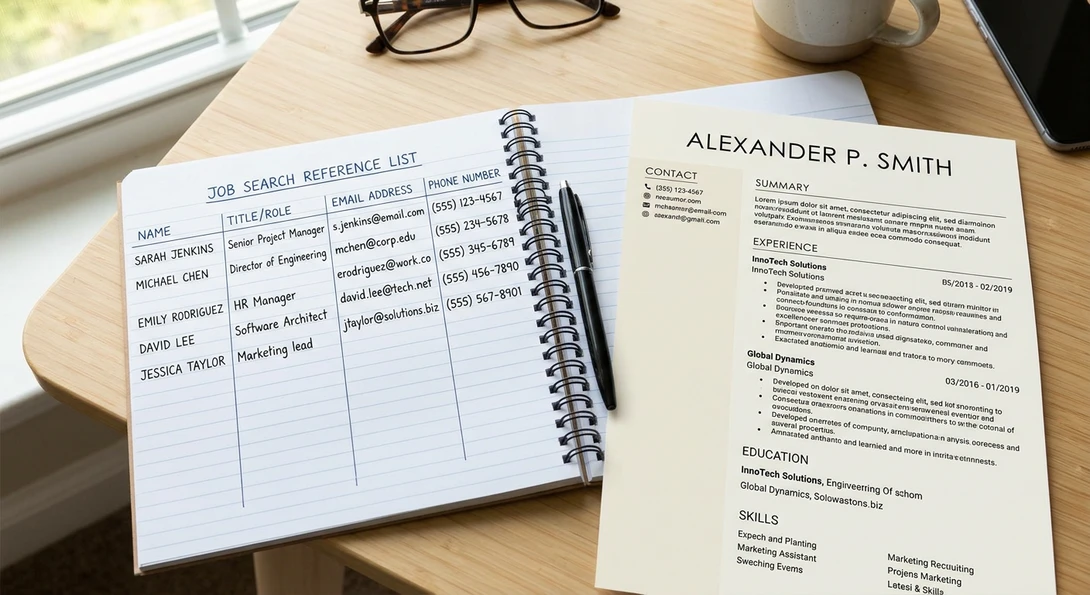
Keep a simple document that includes:
- Name and current role
- Company
- Email and phone number
- Your relationship to them
- Projects you worked on together
Check in with your references occasionally. A quick update every year or two keeps the relationship warm and avoids awkward cold requests years later.
Advice for Students, Career Changers, and Early Professionals
Not everyone has years of professional experience. Employers understand this. They mainly want someone who can speak about your work ethic and reliability.
Good options include:
- Professors who supervised research or projects
- Internship managers
- Volunteer coordinators
- Freelance clients
- Mentors or training supervisors
A strong academic or project reference often carries more weight than a generic professional one.
Final Thoughts
Learning how to ask someone to be a reference is a small but important career skill. The request should be respectful, clear, and easy for the other person to accept.
Strong references rarely happen by accident. They come from thoughtful preparation, good professional relationships, and a little communication before the hiring manager makes the call.
Treat your references like career partners. Keep them informed, thank them for their support, and return the favor whenever possible. A five minute reference call could be the moment that lands your next job.