Searching for the best job sites can feel overwhelming. Hundreds of platforms promise thousands of opportunities, yet many job seekers still struggle to find relevant openings. Some sites specialize in remote work. Others focus on tech hiring, freelance contracts, or executive roles. Choosing the right platform often matters more than sending out dozens of random applications.
Most modern job platforms also offer far more than simple listings. Personalized dashboards, salary insights, company reviews, and AI recommendations now shape how people discover opportunities. Understanding these tools helps candidates move faster and avoid low quality postings.

This guide offers a comprehensive comparison of the best job sites available today. You’ll see how major job platforms differ, which features actually help candidates get hired, and how to combine several tools into a smarter job search strategy.
The Best Job Sites in 2026 (Quick Overview)
Not every job board serves the same audience. Some platforms index millions of listings from across the internet. Others focus on niche industries or remote work. The platforms below consistently deliver the most opportunities and reliable search tools.
- CrawlJobs.com
- Indeed
- LinkedIn Jobs
- Glassdoor
- ZipRecruiter
- USAJOBS
- FlexJobs
- Wellfound (AngelList Talent)
- Remote.co
- Handshake
- Upwork
- The Ladders
Each one plays a different role in a modern job search. Understanding those roles will help you avoid wasted time and duplicate applications.
What Makes a Job Site Actually Useful
Job boards vary widely in quality. Some deliver fresh opportunities from legitimate employers. Others are cluttered with reposted roles, expired listings, or vague “work from home” ads that lead nowhere.
The best job search platforms usually share several characteristics.
- Clear posting dates showing when the job was published
- Advanced filters for location, remote work, salary, and experience level
- Verified employers and fewer scam listings
- Easy apply features combined with direct company applications
- Tools for company research, salary insights, and employee reviews
Candidates who choose platforms with these features save enormous amounts of time. Instead of chasing outdated listings, they focus on active roles with real hiring teams behind them.
Creating Accounts and Candidate Profiles on Job Sites
Most job platforms work best once you create an account. Profiles allow the system to recommend jobs, store resumes, and track applications. Skipping this step limits what the platform can do for you.
Typical setup takes five to ten minutes. The process usually includes several steps.
- Upload your resume or import it from LinkedIn
- Add job titles, skills, and work experience
- Select preferred locations or remote work options
- Set salary expectations if the platform supports it
- Enable job alerts and recruiter visibility
Profiles often act as searchable databases for recruiters. LinkedIn reported in 2024 that more than 90 percent of recruiters actively search candidate profiles before posting roles publicly. A complete profile improves the chances of being contacted directly.
1. CrawlJobs.com: Global AI-Powered Job Discovery
CrawlJobs represents a newer generation of job platforms built around automated discovery rather than manual posting. The system continuously scans company career pages around the world and indexes job listings using an AI crawler that understands employer websites.
Instead of relying primarily on paid job postings or manual submissions, the platform automatically detects openings, extracts structured information, and organizes listings into a searchable global database. This process allows job seekers to discover roles directly from company websites, including positions that never appear on traditional boards.
Another advantage involves timing. Roles often appear on company websites days before recruiters distribute them to major job boards. Platforms that crawl those pages frequently surface opportunities earlier, which can matter in competitive hiring markets.
The platform is designed for the global labor market. Listings appear across multiple languages, countries, and industries. Candidates can search thousands of company career pages without jumping between dozens of websites.
Key Features
- AI crawler that indexes job listings directly from company career pages
- Global coverage across industries and regions
- Multilingual job discovery and structured job data
- Smart filters for remote roles, locations, and experience levels
- Listings often appear earlier than on traditional job boards
Pros
- Access to jobs directly sourced from employer websites
- Constantly refreshed database of global listings
- Early visibility into newly published opportunities
- Efficient discovery of roles outside traditional job boards
Cons
- Applications typically redirect to employer application systems
- Smaller brand recognition than older job boards
Job seekers who want maximum visibility across the global job market often begin their search here before narrowing down to specialized platforms.
2. Indeed: The Largest Job Board by Volume
Indeed remains one of the biggest job platforms globally. As of 2024, the company reported more than 350 million monthly visitors and millions of active listings across industries.
Employers post jobs directly, and the platform also indexes listings from many career sites. This combination produces massive coverage, especially for entry level and mid level roles.
Employer Reviews and Company Ratings
Indeed built one of the largest employer review databases online. Employees and former staff leave ratings on leadership, compensation, work life balance, and culture.
These reviews often influence application decisions. A 2023 Glassdoor study found 86 percent of job seekers read company reviews before applying. Indeed integrates these ratings directly into job listings so candidates can research employers without leaving the site.
Pros
- Enormous job database
- Salary estimates and employer reviews
- Easy one click applications
- Strong local job coverage
Cons
- Many duplicate listings
- High competition for popular roles
- Some outdated postings remain indexed
Indeed works best for general job searches across healthcare, retail, logistics, administration, and customer support.
3. LinkedIn Jobs: Networking Meets Recruiting
LinkedIn has evolved into one of the most influential hiring platforms. More than 950 million professionals use the network globally, and recruiters actively search candidate profiles every day.
Unlike traditional job boards, LinkedIn blends professional networking with recruitment tools. Hiring managers can contact candidates directly after viewing their profiles.
Personalized Job Recommendations
LinkedIn uses profile data, activity history, and recruiter behavior to recommend roles in a personalized job feed. Skills, previous applications, and connections influence these suggestions.
Many candidates report that recommended listings produce higher response rates because the algorithm surfaces jobs aligned with their experience.
Pros
- Direct recruiter outreach
- Personalized job feeds and recommendations
- Strong visibility for professional roles
- Easy networking with hiring managers
Cons
- Limited coverage for hourly jobs
- Premium features behind a subscription
- Some listings redirect to external sites
For corporate careers, marketing roles, consulting positions, and management jobs, LinkedIn often produces the best results.
4. Glassdoor: Salary Insights and Employer Transparency
Glassdoor plays a different role than most job boards. While it hosts job listings, its real value lies in company transparency. Millions of employees share anonymous reviews about leadership quality, pay structures, interview difficulty, and workplace culture.
This information helps candidates avoid bad career decisions. For example, a company might advertise a competitive salary but receive consistent employee feedback about unpaid overtime or poor management. Reading several reviews usually reveals patterns.
Pros
- Detailed company reviews
- Large salary database across industries
- Interview insights from past candidates
- Useful for employer research before interviews
Cons
- Some reviews may be outdated
- Job listings smaller than major job boards
Many job seekers use Glassdoor alongside platforms like Indeed or LinkedIn to research employers before submitting applications.
5. ZipRecruiter: Fast Matching and Quick Hiring
ZipRecruiter gained popularity through its fast matching technology. Employers post a job once, and the platform distributes it across a network of partner sites.
Candidates often receive alerts when their resume matches an employer’s search. Small and mid sized companies frequently use the platform for roles they need to fill quickly.
Pros
- Strong matching algorithm
- Quick apply process
- Large number of small business job listings
- Good coverage in the United States
Cons
- Smaller global reach than Indeed
- Some duplicate listings
ZipRecruiter works particularly well for candidates looking for fast hiring cycles and local opportunities.
6. USAJOBS: Official Portal for Federal Employment
USAJOBS is the official hiring portal for the United States federal government. Agencies such as NASA, the Department of Homeland Security, and the National Park Service publish positions exclusively through this system.
Federal hiring follows a unique process. Applications often require longer resumes and detailed documentation. Hiring timelines can also take several weeks or months.
Pros
- Access to federal government careers
- Strong benefits and pension programs
- Structured hiring process
- Opportunities across hundreds of agencies
Cons
- Complex application requirements
- Longer hiring timelines
Candidates interested in public service careers should always monitor USAJOBS alongside broader job platforms.
Understanding Job Search Filters and Keywords
Most job sites rely on keyword matching and location filters. Understanding how these systems work can significantly improve results.
Recruitment platforms scan job descriptions for specific terms. Searching for “marketing manager” may produce very different results than “growth marketing lead” or “digital marketing manager.” Experimenting with several variations usually reveals more listings.
Location filters also vary between platforms. Many job boards allow searches by city, region, remote status, or distance radius. For example, a candidate might search within 25 miles of Chicago or filter for remote roles available across the United States.
Advanced job seekers often combine several filters.
- Job title keywords
- Industry categories
- Salary ranges
- Experience level
- Remote or hybrid work
Using multiple filters narrows the results and reduces irrelevant listings.
Salary Research Tools and Compensation Databases
Salary transparency improved significantly over the past few years. Several job platforms now include compensation databases that help candidates understand market rates.
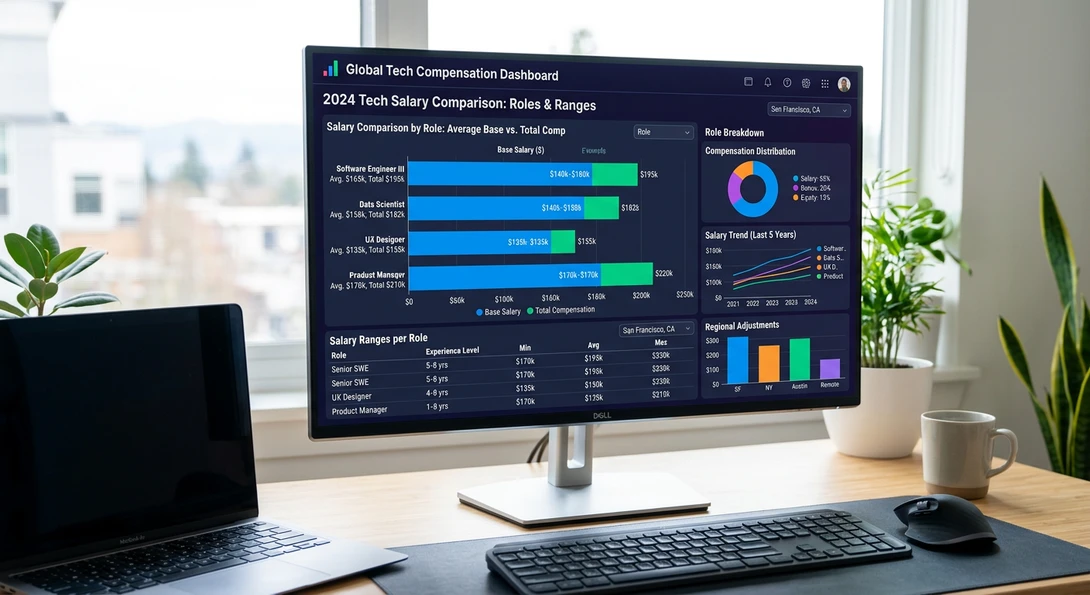
Indeed and LinkedIn estimate salary ranges by analyzing millions of job postings and reported earnings. Sites such as Glassdoor and Levels.fyi focus entirely on compensation data. Tech companies in Silicon Valley, for example, often publish verified salary reports showing base pay, bonuses, and stock compensation.
A practical approach involves checking multiple sources before accepting an offer.
- Job board salary estimates
- Company reported pay ranges
- Independent compensation databases
- Local labor statistics reports
Accurate salary research helps candidates negotiate confidently. If three sources suggest the average pay for a role is $85,000 to $95,000, accepting an offer of $65,000 probably leaves money on the table.
Career Advice and Learning Resources on Job Platforms
Many job sites now include education resources that help candidates improve resumes, interview skills, and career planning. These resources often receive less attention than the job listings themselves.
LinkedIn Learning provides thousands of short professional courses. Indeed publishes resume templates, interview guides, and career explainers. Some platforms also include labor market reports and skill trend analysis.
Privacy, Data, and Security on Job Platforms
Creating job site profiles means sharing personal information. Resumes include phone numbers, work history, and sometimes home locations. Understanding how platforms handle that data matters.
Most large job sites follow several common practices.
- Candidate profiles can be public or recruiter visible only
- Platforms store resumes and application history in user dashboards
- Cookies track activity to improve job recommendations
- Security systems monitor suspicious activity and spam recruiters
Job seekers should avoid sharing sensitive documents such as passport scans or banking details during early hiring stages. Legitimate employers rarely request such information before a formal offer.
How to Combine Multiple Job Sites for Better Results
Experienced recruiters notice the same pattern repeatedly. Candidates who rely on a single job board miss a large portion of available opportunities.
A stronger workflow looks like this.
- Use an aggregator such as CrawlJobs or Google search to discover new listings
- Maintain an active profile on LinkedIn for recruiter outreach
- Add one niche platform based on your career goals
- Track applications in a spreadsheet or job search tool
Candidates who apply within the first 48 hours of posting often receive significantly higher response rates. Recruiters frequently review early applications first.
Avoiding Job Scams on Job Platforms
Online job scams increased sharply in recent years. The FBI reported more than $367 million in employment related fraud losses in 2023. Job seekers should verify listings before submitting personal information.
Watch for these warning signs.
- Requests for payment during the application process
- Interviews conducted entirely via messaging apps
- Salaries that appear far above market rates
- Company domains that do not match official websites
Research the employer, confirm company websites, and apply directly through official portals when possible.
Final Thoughts
The best job sites rarely involve a single platform. Successful job seekers combine global discovery tools, traditional job boards, and niche sites tailored to their industry.
Start broad with platforms like CrawlJobs, narrow the search through specialized boards, and maintain alerts across several tools. Consistency matters more than volume. Five targeted applications often outperform fifty rushed ones.
A focused strategy, supported by the right job platforms, dramatically improves your chances of landing interviews and offers.
Suggested SEO keywords:
best job sites 2026, job search platforms, find jobs online, job board comparison, global job search tools